At the time of writing (April 2026), I can confidently say that 12 months ago, I knew next to nothing about cinema from the African continent. That doesn’t suggest I write these lines as a true connoisseur of the topic, but the past year has opened my eyes to some terrific directors, writers, cinematographers, and actors from the mother of all continents. It was sparked by a desire to seek something different. What I discovered reminded me of what connects us all.
A Global, Accessible Art Form
Cinema is often referred to as the seventh art, a term coined originally by art theorist Riccioto Canudo, first in a manifesto from 1911. The marriage of writing and visuals has amazed the public worldwide since the early 1900s. But who has been most associated with said artistic expression?
Certainly, the Americans come to mind, given the behemoth that is Hollywood. India’s Bollywood is a prolific movie-making machine. The French are celebrated for the Lumière brothers and the New Wave. Japan and the samurai films and the oeuvre of Akira Kurosawa. Hong Kong’s action movies. Alfonso Cuaron and Alejandro Gonzalez Iñárritu have represented Mexico well.
All good answers.
If there is one corner of the globe whose name is not on most people’s lips when it comes to cinematic output, it’s Africa. That’s a significantly large corner.
There are multiple reasons for that, most notably its tumultuous 20th century, the first half of which was marred by colonialization and subsequently decolonialization. Most of the latter stretched well into the century’s second half. Understandably, most African countries had other things on their minds than making movies.
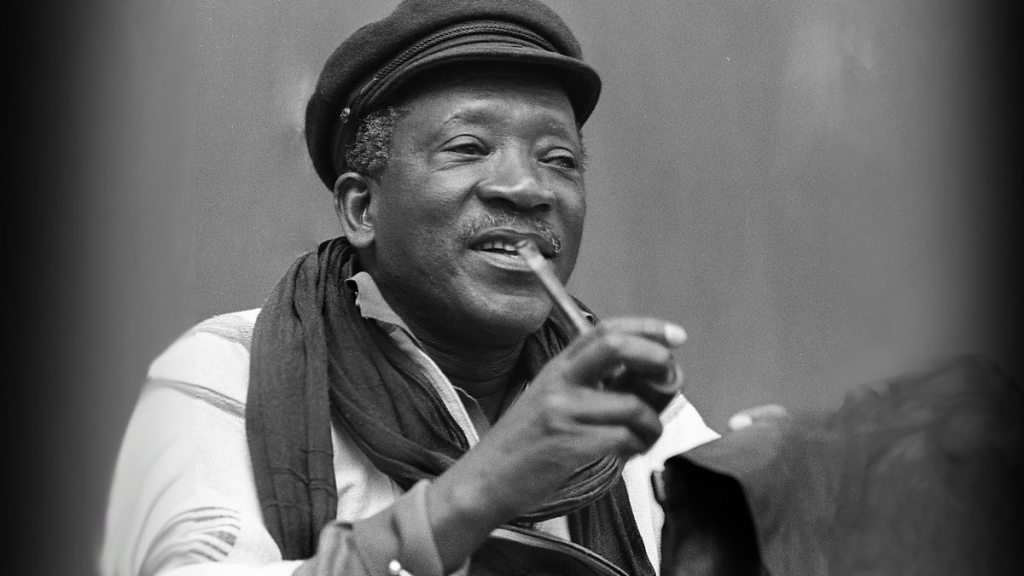
That said, things changed in the 1960s, especially in Senegal, where Ousmane Sembène – deemed the father of African cinema – carved his cinematic path.
Leaving the Familiar
What led me to Ousmane Sembène? Truth be told, a few things.
I am what one might describe as a cinephile and have been for most of my life. Growing up in Canada, it should surprise no one that the overwhelming majority of my movie consumption, from childhood into early adulthood, was based on a Hollywood diet. Absolutely nothing wrong with that, at least in theory. Even so, one can also make the case that much of my life went by without the faintest exposure to films from anywhere else on the planet, save the odd Canadian picture that hit a chord with the public.
My 20s led me on different paths, most notably European and Asian cinema. Even a smidgeon of Latin American films. But never Africa.
That changed in the spring and summer of 2025. The reasons were both understandable and, perhaps from a certain point of view, childish. Without getting political, suffice it to say that the present U.S. administration, which entered office that January, hasn’t exactly played nice with other nations, including Canada. As such, in solidarity with others, I opted to consume less American content. Avoiding it completely would be quite the challenge, but at least diminish it. Subdue it.
To that effect, I finally decided to check out the Criterion Channel’s World Cinema Project section. Criterion is an American company that started with Laserdisc releases in the 1980s. It specializes in releasing all sorts of films from around the world with exclusively produced supplements. Said Channel operates as its streaming service. The World Cinema Project, a non-profit organization, was started in 2007 by Martin Scorsese to find and restore lost gems. Through those two forces, Sembène came to my attention.
Finding the Familiar
Same but different. That sentence keeps playing in my mind as I recall the African films I’ve enjoyed since last spring.
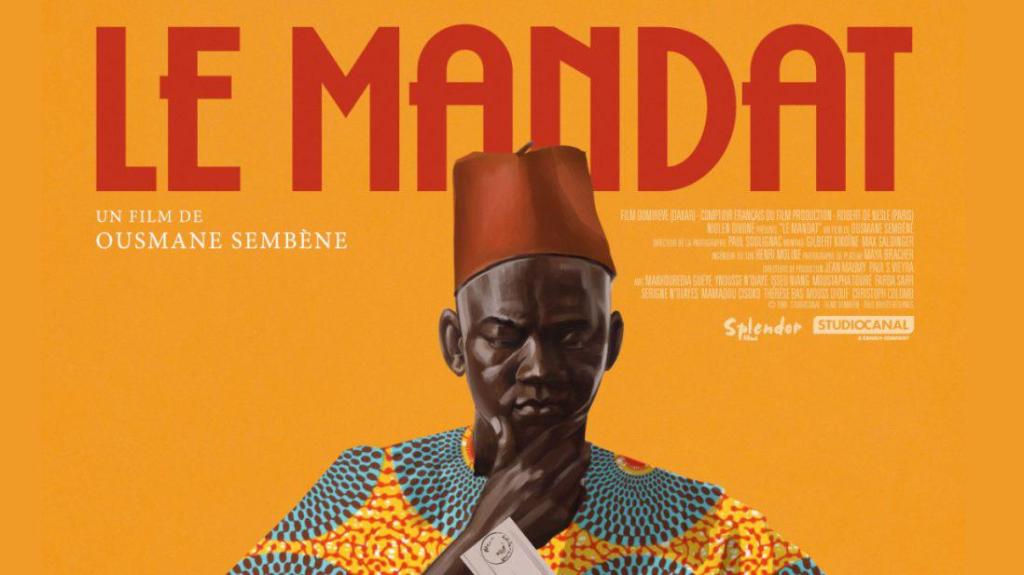
It began with Sembène’s Mandabi from 1968. Simple in concept yet deceptively complex, set in the modern-day Dakar, it tells the story of a man, presumably in his 50s, who receives a money order from a relative living in France. Fantastic news, as the family (he has multiple wives) could use the money, especially given the exciting context of freshly decolonized Senegal.
What follows is a subtly humorous exploration of soul-crushing bureaucracy and the changing of the times, not to mention the reality of what goes on behind closed doors at home (it doesn’t always appear as though our “no nonsense” protagonist is really the brains guiding the household).
Are there cultural touchstones that I couldn’t grasp? Undoubtedly. First, characters speak in Wolof, which I do not, and even the best subtitles can only get one so close to the original intent. I’m not Senegalese, have never been to Dakar, was not alive in the 1960s, and I’m not a polygamous husband.
Despite all that, the acting was charming, the humour landed, and the interpersonal relationships, both the healthy and unhealthy ones, got their messages across. Additionally, who the heck appreciates labyrinthine, lumbering bureaucracy?
This struck a chord with me. Our media, be it intentionally or not, sometimes makes it seem as if Africa is incredibly different from the rest of the world. But you know what? Like every part of the globe, it is certainly different and unquestionably relatable.
Same but different.
Floodgates Are Open
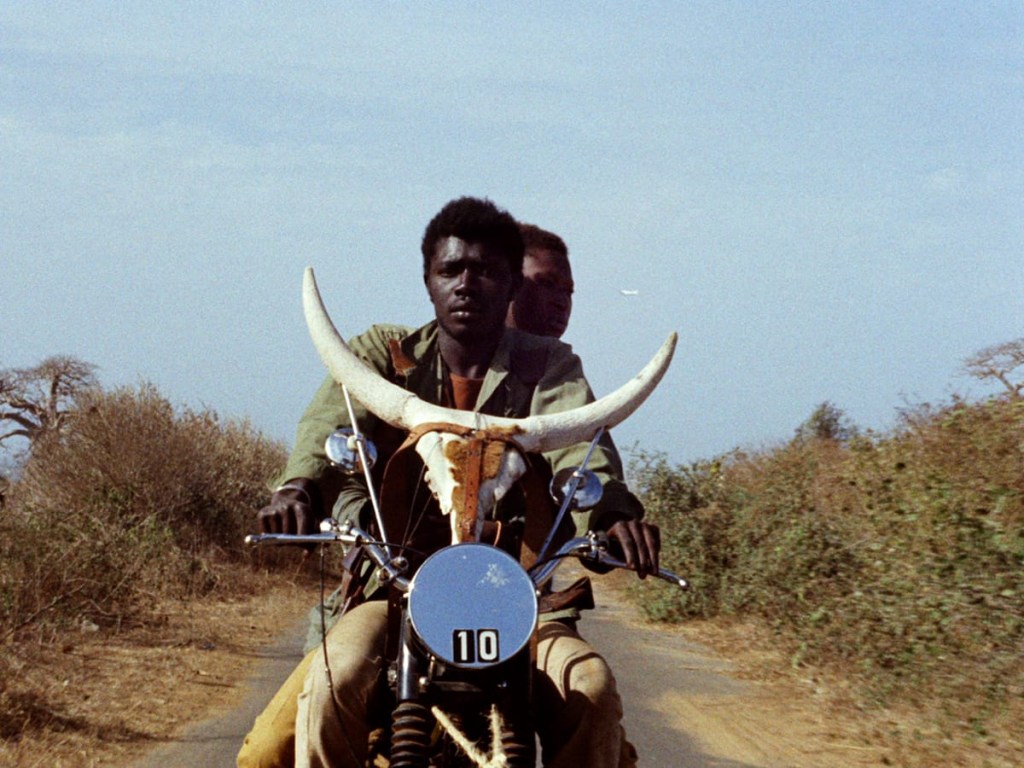
From that point onwards, the floodgates opened wide. Mandabi was followed by Emitaï (1971), Xala (1975), Guelwaar (1992), and others. Sembène proved a jumping pad to learn about fellow Senegalese filmmaker Djibril Diop Mambety and his 1973 Herzogian Touki Bouki. That led me to its spiritual (and quite good) sequel, Hyenas (1992).
From Senegal, it was off to Cameroon and Dikongue Pipa’s Muna Moto from 1975, one of the most beautifully shot films I’ve seen in recent memory. Sarah Maldoror (French of Guadeloupean descent) and her Sambizanga (1972), the eclectic, widely imaginative Med Hondo from Mauritania (Oh, Sun (1967), West Indies(1979), Sarraounia (1986), Egypt’s Youssef Chahine (Cairo Station), Ivorian Timité Bassori (The Woman with the Knife), and Idrissa Ouedraogo from Burkina Faso (Yam Daabo, The Law).

The journey of discovery has been incredible. With almost every film, notwithstanding exceptions like Hondo’s gonzo West Indies musical, I’ve come away with the familiar sentiment of having spent time in places and with people I’m not familiar with, but enjoying stories I could understand on a human level.
I’ve long held the belief that a good story will travel. Perhaps not literally, given that most people in the West haven’t seen any of the aforementioned pictures. They travel in the sense that, should you be inclined to take a chance on one of them, you will most likely discover that you didn’t take much of a “chance” after all. They simply are fine films, just like there are fine films to be found in the world over.
Different, yes, because we don’t consume much art from that continent and thus are witnessing people, places, clothing, and languages we don’t know particularly well.
But, you know, the same.
 Edgar Chaps
Leave a comment